Orlando roofs work harder than almost any others in the country. A typical home here absorbs more than 230 days of direct UV exposure a year, then takes a daily convective storm cycle through the summer that can swing a roof deck from 150°F to a rain-cooled 75°F in under twenty minutes. That thermal shock is what ages asphalt shingles in Orlando faster than the manufacturer's rating suggests, and it is why a roof that looks fine from the street can be at the end of its usable service life.
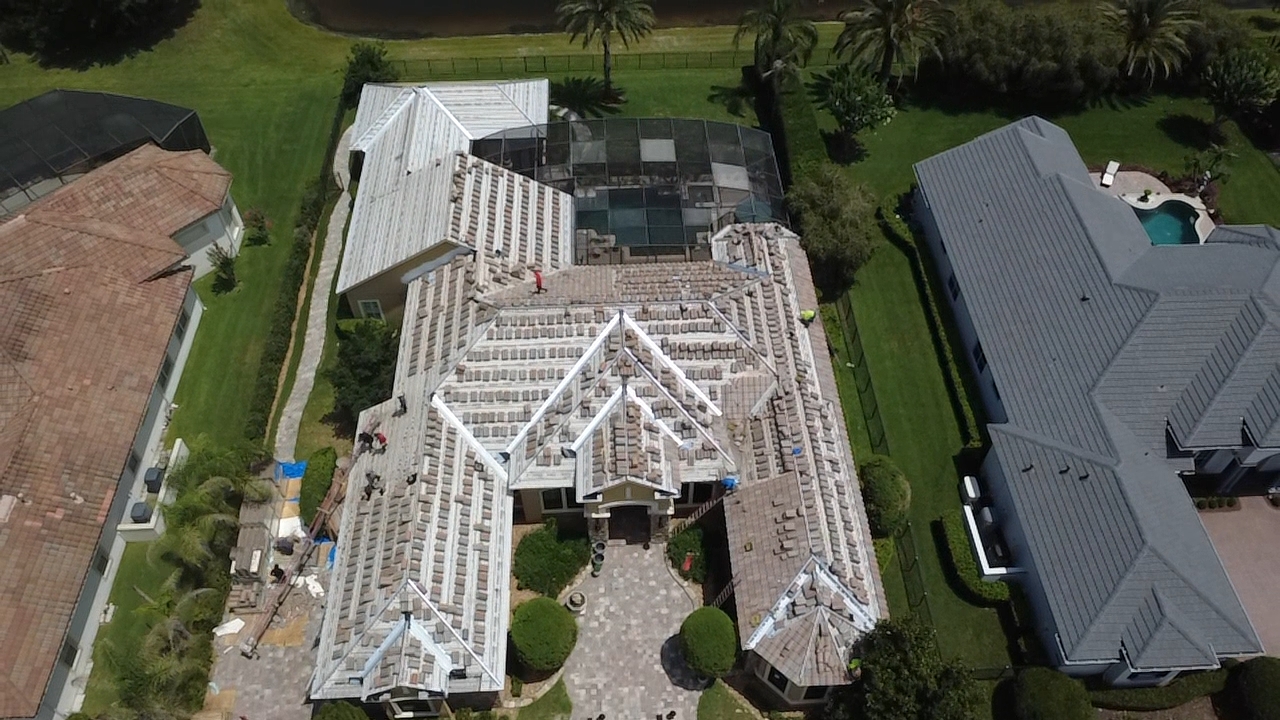
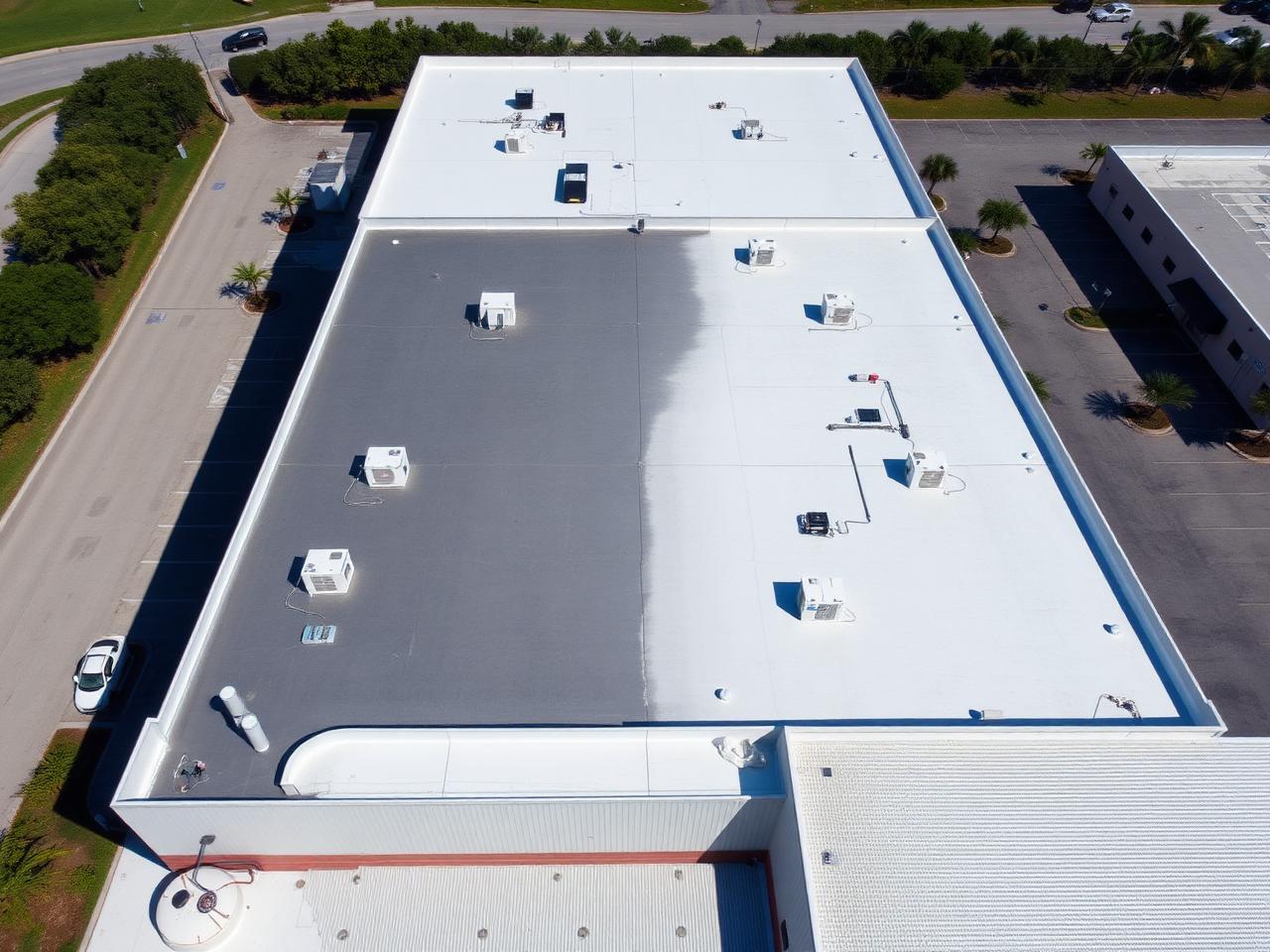
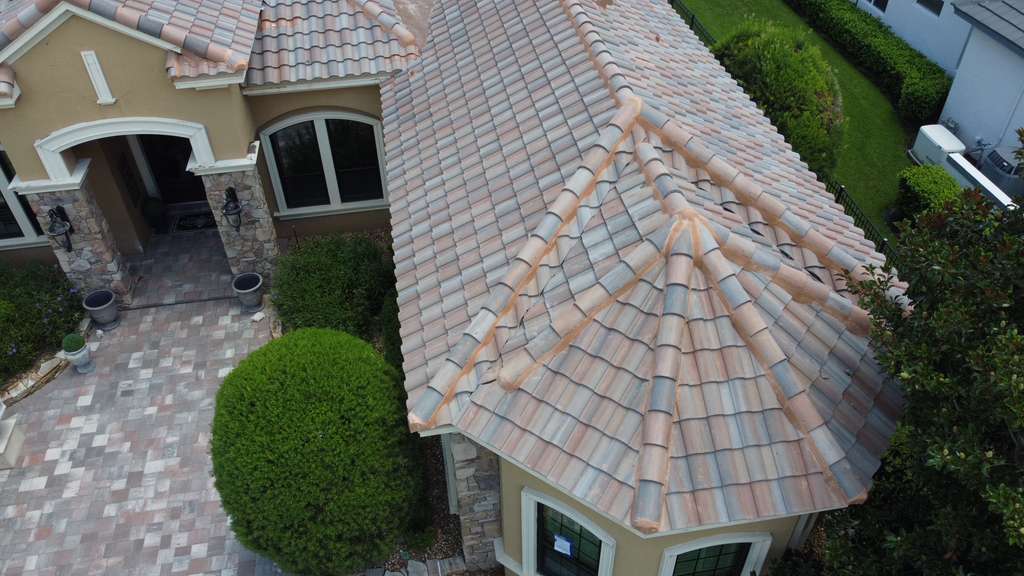
The housing stock adds a second layer of complexity. Downtown, College Park and Colonialtown are full of 1920s–1950s homes with narrow eaves, original decking and multiple layers of past work stacked on top of one another. Out toward Lake Nona, Baldwin Park and Dr. Phillips the roofs are newer but more architecturally complex — tile hips and valleys, dormers, solar arrays and stucco-to-roof transitions where most Orlando leaks actually start. Commercially, the I-4 and tourist corridor is dominated by low-slope TPO, modified bitumen and metal systems carrying heavy rooftop mechanical loads.
FL Signature Roofing Group, LLC works across all of it. We are a Florida State Certified Contractor — licensed, bonded and insured — and every Orlando project starts the same way: a free inspection with full photo documentation, so you can see the roof the way we see it before anyone talks about price.